 Magnolia, Seattle: Neighborhood Guide Magnolia Seattle news blog: local stories, sports, business, politics, entertainment, and travel.
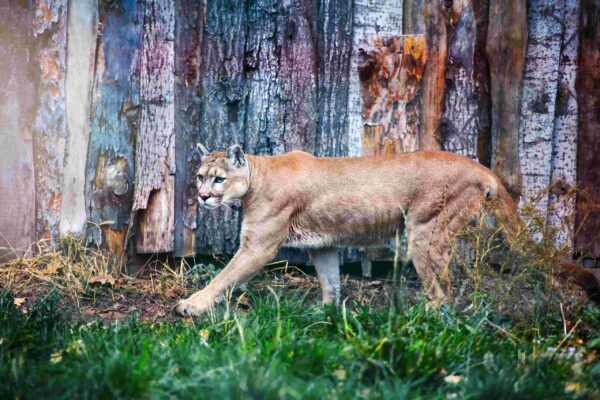
In recent years, residents of Seattle and its suburbs have been hearing more and more about cougars appearing near populated areas. These animals are traditionally associated with wild forests and mountains, but urban expansion and population growth have increased the likelihood of encounters. Although such sightings are interesting and alarming, experts emphasize that cougars remain elusive predators and pose minimal real threat to humans.
Read also: Soft2Bet – a comprehensive ecosystem for customizable gamification
To better understand the situation, it is crucial to consider who the cougars are and where they live in Washington State.
What are cougars?
The cougar, also known as the mountain lion, is the largest predator of the cat family in Washington. Males can weigh an average of 70–90 kilograms, while females are usually lighter, around 50 kilograms. Their body length, including the tail, exceeds two meters.
The cougar’s diet depends almost entirely on large ungulates. These are primarily deer and elk, but when possible, the animal also hunts smaller game, such as raccoons or hares. Thanks to their powerful hind legs, cougars are capable of leaping more than six meters in length and up to two meters in height, making their hunting lightning fast and effective.
Despite their impressive size, these cats are rarely seen by humans. They are secretive, solitary animals with large territories that each marks and defends. They are mainly active at dusk and at night. All this reduces the likelihood of direct contact with humans, even in areas where the population is stable.
Where pumas live
The natural range of pumas in Washington State covers about 40,000 square miles. The main territories are concentrated on the western and eastern slopes of the Cascade Mountains, in the Olympic foothills, and on sparsely populated plains. These areas are rich in forests and ravines, where predators can easily hide and find prey.
- An adult male controls a territory of up to 200 square miles.
- A female occupies a smaller area but also lives alone.
- There are an average of four adults per 100 square miles.
- The sparse density is related to competition for food and shelter.
Sometimes young males leave their native habitats in search of vacant territories. It is these movements that can lead to rare sightings of cougars closer to populated areas, including Seattle and its suburbs. These visits are usually short-lived: the animals return to the forest as soon as they realize that there are too many people and too little suitable prey nearby.
Cougars and humans
Chance encounters with cougars near Washington’s major cities are rare, but they do happen. Traces of these animals can sometimes be seen on the outskirts of Seattle and Bellevue.
More than a decade ago, one predator spent several weeks in Discovery Park, while another crossed Mercer Island, arousing the interest of local residents. Most often, young males who leave their mother’s territory in search of their own find themselves in such situations. Moving at random, they may end up right in the middle of urban development and find themselves in unexpected circumstances.
The growth of residential areas and the development of recreational infrastructure increase the likelihood of such encounters. New trails and residential neighborhoods expand the boundaries of contact between humans and wildlife. In these “border zones,” the chances of encountering a wild animal are higher than in the city center.
Residents of King County and neighboring areas actively report possible encounters through the CarnivoreSpotter service. However, a significant portion of the reports turn out to be false. People often confuse cougars with lynxes, large domestic cats, or dogs.
Despite isolated sightings, the likelihood of dangerous situations remains extremely low. Over the past nine decades, only two fatal attacks have been recorded in Washington State.
By comparison, statistics show that domestic dogs, coyotes, and even mountain goats pose a greater risk to humans and pets. Cougars typically behave in a way that avoids contact. In most cases, the animals leave on their own as soon as they notice people.
When cougars enter cities, they usually stay in groves and parks, coming out at night. Their stay rarely lasts more than a couple of days: they quickly realize that there is little prey and many risks in an urban environment. The main challenge for these animals is to safely return to wild areas, bypassing highways and residential areas.
Safety tips
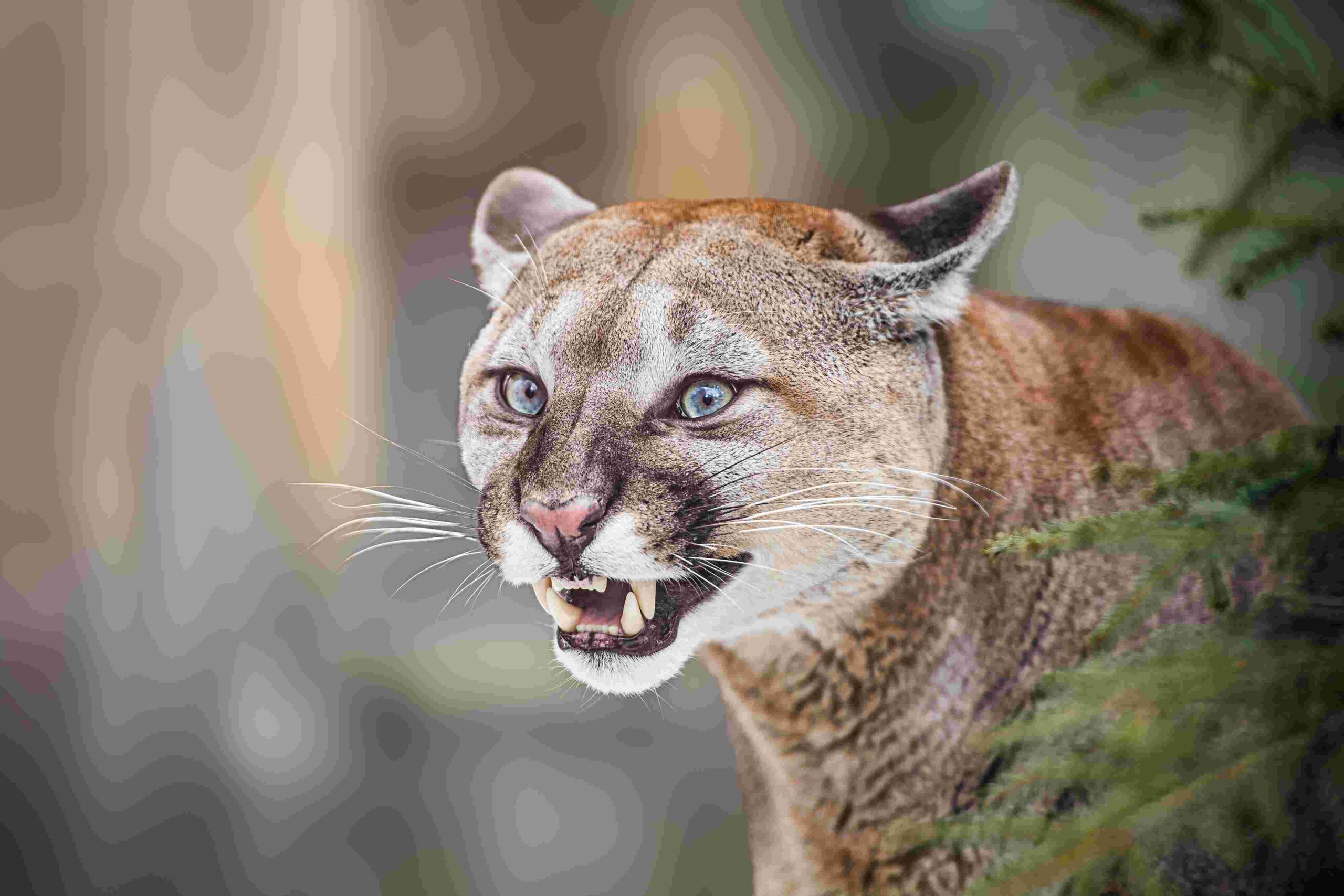 Even if the chance of an encounter is slight, residents are advised to follow simple rules:
- Keep pets indoors at night and in the morning.
- Do not leave food for deer or other wildlife in the yard.
- If you encounter an animal in the forest, face it, raise your hands, and make loud noises.
- Do not run away, but wait until the animal leaves.
- In the sporadic event of an attack, stand your ground and actively resist.
The Washington Department of Fish and Wildlife, in conjunction with the Woodland Park Zoo, conducts educational programs. The Cougar Safety Team works to inform residents and assist in rare cases of contact. Environmentalists note that the main task is to reduce fear and teach people to live alongside wildlife without conflict.
Bottom Line
Cougars remain part of the Washington State ecosystem. In Seattle and its suburbs, encounters with them are rare and almost always end without consequences. Residents need to know that:
- The cougar’s range is vast, but urban encounters are an exception.
- The likelihood of dangerous contact is extremely low.
- Most reports of cougars turn out to be false.
- Basic safety rules help avoid risks.
- Educational programs provide knowledge for peaceful coexistence.
Cougars are neighbors that are rarely seen, but that is what makes each sighting special.