 Magnolia, Seattle: Neighborhood Guide Magnolia Seattle news blog: local stories, sports, business, politics, entertainment, and travel.
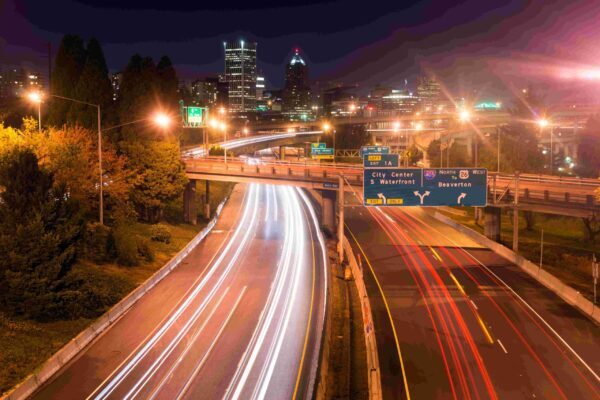
The city of Seattle is actively developing its transportation system, striving to make travel faster and more convenient. One of the key steps was the introduction of special lanes for buses and cyclists. The project is called Route 40 Transit-Plus Multimodal Corridor.
Read also: Soft2Bet – a comprehensive ecosystem for customizable gamification
Its primary goal is to enhance the reliability of public transportation, minimize delays, and ensure safe traffic conditions.
Route 40 is one of the busiest bus routes in the city. More than 8,000 passengers use it every day. It connects 13 districts, passing through densely populated and business areas. Therefore, the authorities’ attention to this route is explained by the need to make the transport system more sustainable and modern.
Where are the new lanes located?
New bus lanes, officially called BAT lanes (Business Access and Transit), are appearing in several parts of the city. They can already be seen along Westlake Avenue. Similar sections will soon be built on other key streets.
The project covers:
- Holman Road NW
- North 36th Street
- Leary Avenue NW
- Northwest Market Street
- Westlake Avenue North
This is where lanes are being created primarily for buses and cyclists. Cars can only use them to turn right or to enter courtyards and parking areas.
How the BAT lane system works
The principle is simple. Buses and cyclists are given priority. This helps reduce travel time and improve schedule accuracy. For residents who use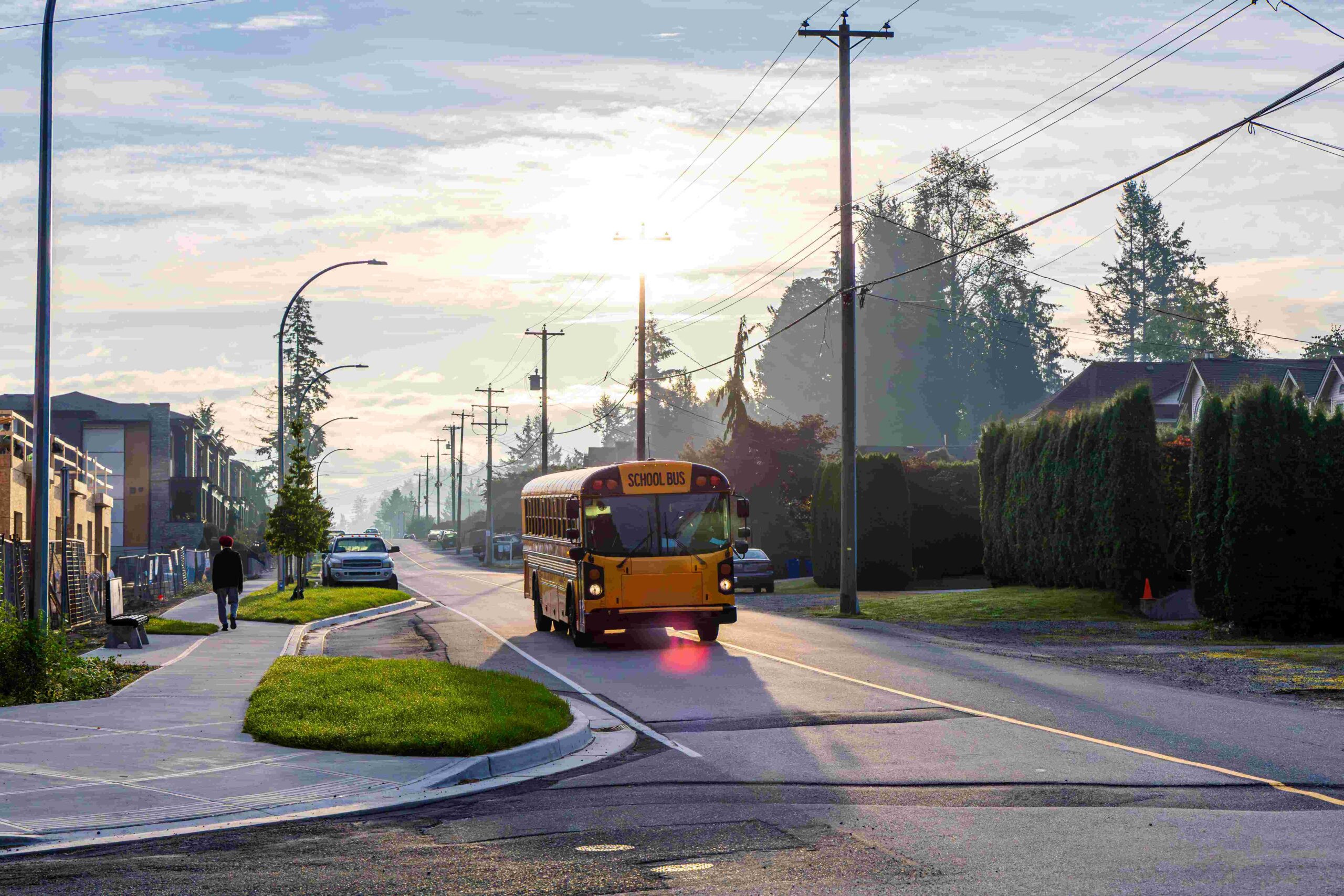 public transportation daily, these changes mean greater stability and predictability.
Traffic models show that travel times could be reduced by 5-10 percent. For major routes, even a slight reduction makes a noticeable difference.
Magnolia is located near the routes connected to the Route 40 project. This gives residents of the area more convenient access to the city center and the other regions. The improvements are especially noticeable during rush hour, when the transportation network is under maximum pressure.
Magnolia has a quiet residential atmosphere, but the area must remain connected to business centers. New bus lanes help strengthen this connection.
Now, trips to central neighborhoods are faster and have fewer delays.
Development prospects
The Route 40 project is part of a broader strategy to develop public transport in Seattle. The city continues to expand its network of convenient routes, focusing not only on the center but also on residential areas. Magnolia benefits indirectly from this policy, as it becomes even more accessible to residents and visitors.
For the future of the area, this means increased attractiveness. Accessibility to public transportation is always an essential factor when choosing a place to live. Magnolia combines a relaxed pace of life, green spaces, and proximity to the city center, and new transportation initiatives only reinforce this combination.
The introduction of new bus lanes on Route 40 is a step towards creating a more efficient transportation system in Seattle. Magnolia and neighboring areas benefit from improved accessibility and faster travel to key parts of the city. For residents, this means convenience in their daily commute, and for the city, it means the development of infrastructure that meets modern requirements.