 Magnolia, Seattle: Neighborhood Guide Magnolia Seattle news blog: local stories, sports, business, politics, entertainment, and travel.
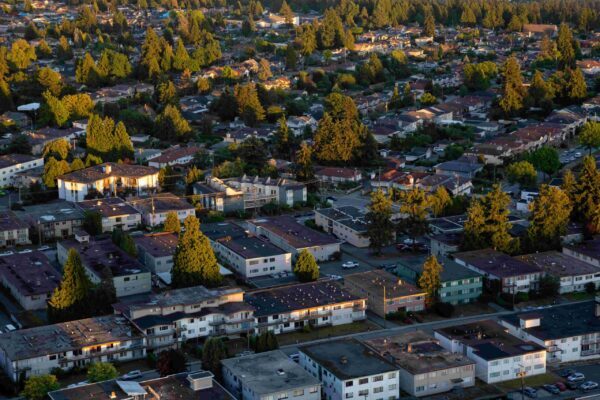
Fort Lawton is located on the edge of Discovery Park in the Magnolia neighborhood. The 34-acre site had long been under the control of the military. In 2005, the site was deemed surplus, and the city of Seattle began developing plans for its transformation. The main idea was to combine housing with public parks and create a new space for city residents.
Read also: Soft2Bet – a comprehensive ecosystem for customizable gamification
From the outset, the project sparked debate. Some Magnolia residents opposed the development and proposed turning the entire area into a park. However, the city emphasized that abandoning the plan would result in the land going to private developers with no guarantees of affordable housing or the preservation of green spaces.
The current plan
The updated version of the project provides for more than 500 residential units of various types. At the same time, nearly 22 acres will be preserved as a public park. Thus, Fort Lawton will become an example of how construction and environmental protection can be combined.
The project includes three key areas:
- About 200 affordable rental apartments;
- Approximately 200 homes for purchase through a partnership with Habitat for Humanity;
- 85-100 units of supportive housing for people transitioning out of homelessness, with the participation of the Chief Seattle Club.
This approach creates a diverse community where families with different incomes and needs can find a place to live.
Environmental and social aspects
To move forward with the project, environmental reviews must be completed. In 2025, a Draft Supplemental Environmental Impact Statement was published. The document analyzes the potential impact of construction on Discovery Park’s natural environment and proposes measures to mitigate it.
At hearings in May, residents and organizations discussed the details. Opponents again raised issues about traffic and the preservation of animal habitats. Supporters noted that the project provides access to one of the city’s most prestigious areas for low-income families, thereby contributing to the solution of the housing crisis.
The Fort Lawton Redevelopment Plan combines the goals of housing construction and nature conservation. Most of the area, about 22 acres, will be preserved as a park. These green spaces will complement Discovery Park, Seattle’s largest urban park. This approach reduces the burden on the ecosystem and ensures a balance between urbanization and environmental preservation.
An essential part of the project was the collaboration with indigenous organizations, including the Chief Seattle Club and the United Indians of All Tribes. This emphasizes respect for the historical significance of the land and allows for the development of housing that takes cultural values into account. The new homes and park spaces are designed to simultaneously address social issues and preserve the region’s cultural heritage.
Next steps
After the comment period closes, the plan will undergo final revisions. The project will then be put to a vote by the Seattle City Council. If approved, the document will be sent to the U.S. Army for final approval.
Key project outcomes and goals:
- Construction of affordable housing in various formats, including rentals and homes in partnership with Habitat for Humanity
- Supportive housing for people transitioning out of homelessness
- Preservation of approximately 22 acres of land as a park area integrated with Discovery Park
- Involvement of indigenous organizations in project management and cultural heritage preservation
- An example of the effective use of former military land for the social needs of the city
The successful implementation of Fort Lawton will create a large residential neighborhood adjacent to Seattle’s largest park. It will be an essential step in the development of affordable housing in the region.